


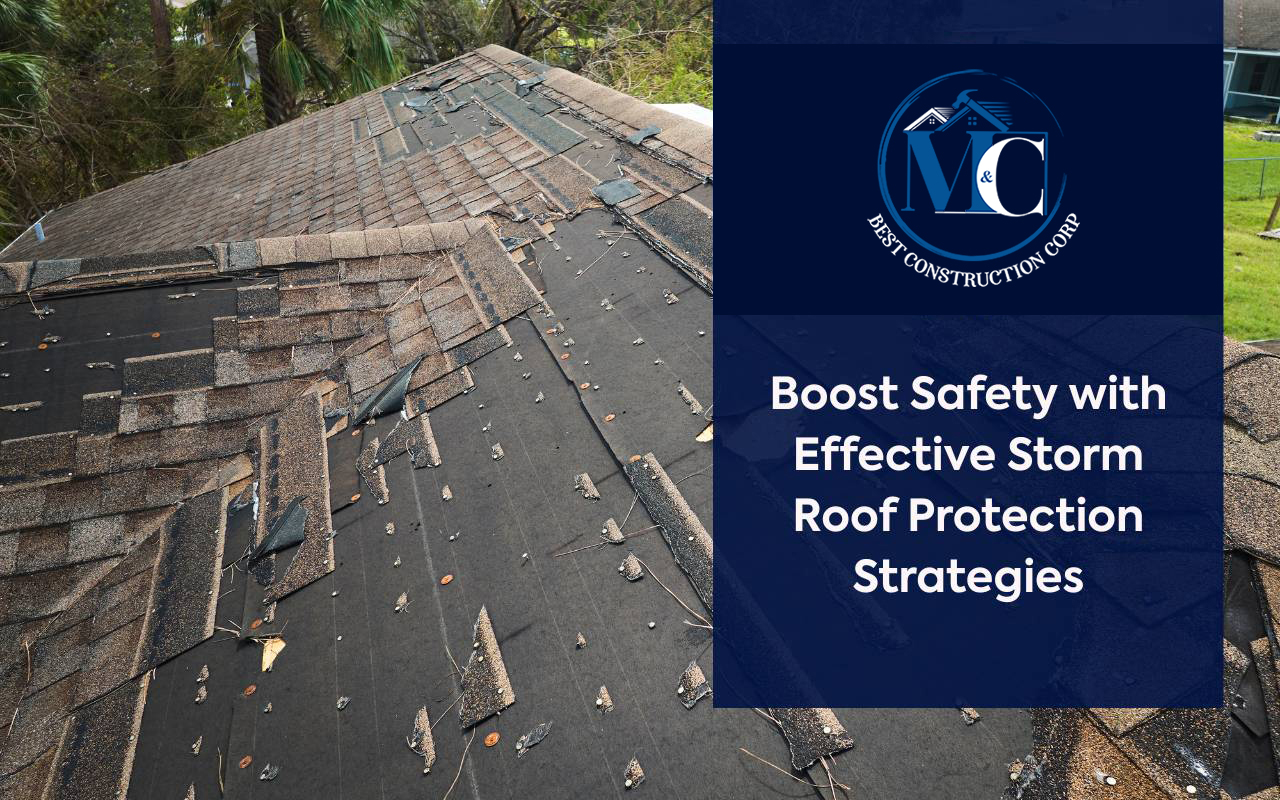
Boost Safety with Effective Storm Roof Protection Strategies
Confront severe weather with a clear plan for Storm Roof Protection. As storms intensify, safeguarding your roof becomes essential. This guide delivers practical steps that keep your home safe. Picture a roof that resists wind, rain, and hail because you prepared early. You will learn upgrades and routines that reduce risk. These strategies protect your property and provide calm during storm season.
Understanding Storm Roof Risks
Roofs face many threats during storms. High winds can lift shingles. Heavy rain seeps through cracks. Hail can puncture coverings. Falling branches damage vents and tiles. Blocked gutters cause flooding and leaks. Even small issues grow into costly repairs if ignored. A tiny gap at flashing invites water and mold. Loose shingles expose underlayment. Awareness of weak spots begins effective Storm Roof Protection.
Choosing the Right Roofing Materials
Evaluate options that improve durability and efficiency. Asphalt shingles remain popular and affordable. Select impact-rated products to resist hail and debris. Metal roofs shed water quickly and resist wind. Reflective finishes lower summer heat. Clay or concrete tiles offer long life and fire resistance. Synthetic materials mimic slate or wood with lighter weight.
Check wind and impact ratings; aim for Class 4.
Match materials to climate and budget.
Confirm framing support for heavier tiles.
Review warranties that address Storm Roof Protection needs.
Reinforcing Roof Structure for Storm Resilience
Strengthen core connections so gusts cannot lift the roof. Use reinforced decks, hurricane straps, and metal clips. Inspect the attic for splits in beams and rafters. Add braces or extra sheathing where needed. Proper fasteners create tighter bonds between layers.
Install hurricane clips to tie rafters to wall plates.
Add blocking at eaves to resist uplift.
Use ring-shank nails or screws for better hold.
These cost-effective steps support a comprehensive Storm Roof Protection plan.
Installing Impact-Resistant Features
Add features that absorb or deflect debris. Choose multi-layer impact-resistant shingles. Integrate metal edging and drip edges to guard vulnerable areas. Protective coatings seal tiny gaps and repel moisture. Rubber membranes in valleys and around skylights cushion impacts. Shatter-resistant skylights and wind-rated vents elevate Storm Roof Protection.
Implementing Regular Roof Inspections
Schedule seasonal checks and after major storms. From the ground, scan for loose shingles or bent flashing. Safely inspect ridge caps, valleys, and chimneys. Document changes with photos and notes. Swift repairs stop minor issues from becoming emergencies.
Look for granule loss, mold spots, and nail pops.
Check underlayment near penetrations.
Track attic stains and moisture readings.
Clearing Debris and Maintaining Gutters
Remove leaves and twigs at least twice a year. Debris holds moisture and accelerates decay. Use a soft broom or blower to avoid damage. Keep valleys and penetrations clear. Maintain gutters so water flows away from the house and foundation.
Clean guards and screens for proper drainage.
Tighten hangers and fix sags promptly.
Extend downspouts to prevent pooling near walls.
These simple tasks support Storm Roof Protection and prevent backups and ice dams.
Securing Loose Items in Your Yard
Bring in furniture, plants, and decorations before storms. Wind turns objects into projectiles. Store tools and ladders in a shed or garage. Anchor trampolines, playsets, and grills with stakes or tie-downs. Inspect fences and gates so nothing comes loose and strikes your home.
Creating an Emergency Action Plan
Assign family roles and choose a safe interior room. Prepare a kit with flashlights, batteries, and first-aid. Store documents and roof photos in a waterproof box. Map escape routes and know local shelters. Keep tarps ready to cover exposed areas. Practice the plan so everyone acts quickly.
Collaborating with Professional Roofing Services
Research local contractors before storm season. Review licenses, insurance, and references. A qualified roofer tailors materials and reinforcements to local weather. Consider annual maintenance agreements to catch small issues early. For urgent needs, keep emergency numbers handy.
Explore Mando Roofing NY to learn about regional expertise, or review available Roofing Services designed for harsh weather. Strong partnerships enhance Storm Roof Protection and reduce stress after events.
Frequently Asked Questions
How often should I schedule roof inspections?
Inspect every spring and fall, and after any major storm. Regular checks reveal issues before they escalate.
What impact rating should I look for in shingles?
Choose Class 4 impact-resistant shingles. This rating offers strong defense against hail and flying debris.
Do gutter guards eliminate maintenance?
No. Guards reduce clogs, but you still need periodic cleaning and checks for sagging sections.
Are metal roofs noisy during storms?
Not with proper decking and insulation. Modern assemblies keep sound levels comparable to shingles.
When should I call a professional roofer?
Call for structural concerns, persistent leaks, storm damage, or when upgrading materials and hardware.
Embracing Peace of Mind with Storm-Ready Roof Protection
Maintaining a storm-ready roof blends smart choices, routine care, and expert help. Each step strengthens resilience and safety. Adopt these Storm Roof Protection measures now. When dark clouds gather, you will have a home that stands firm. For tailored guidance or emergency support, Contact Us today.
