


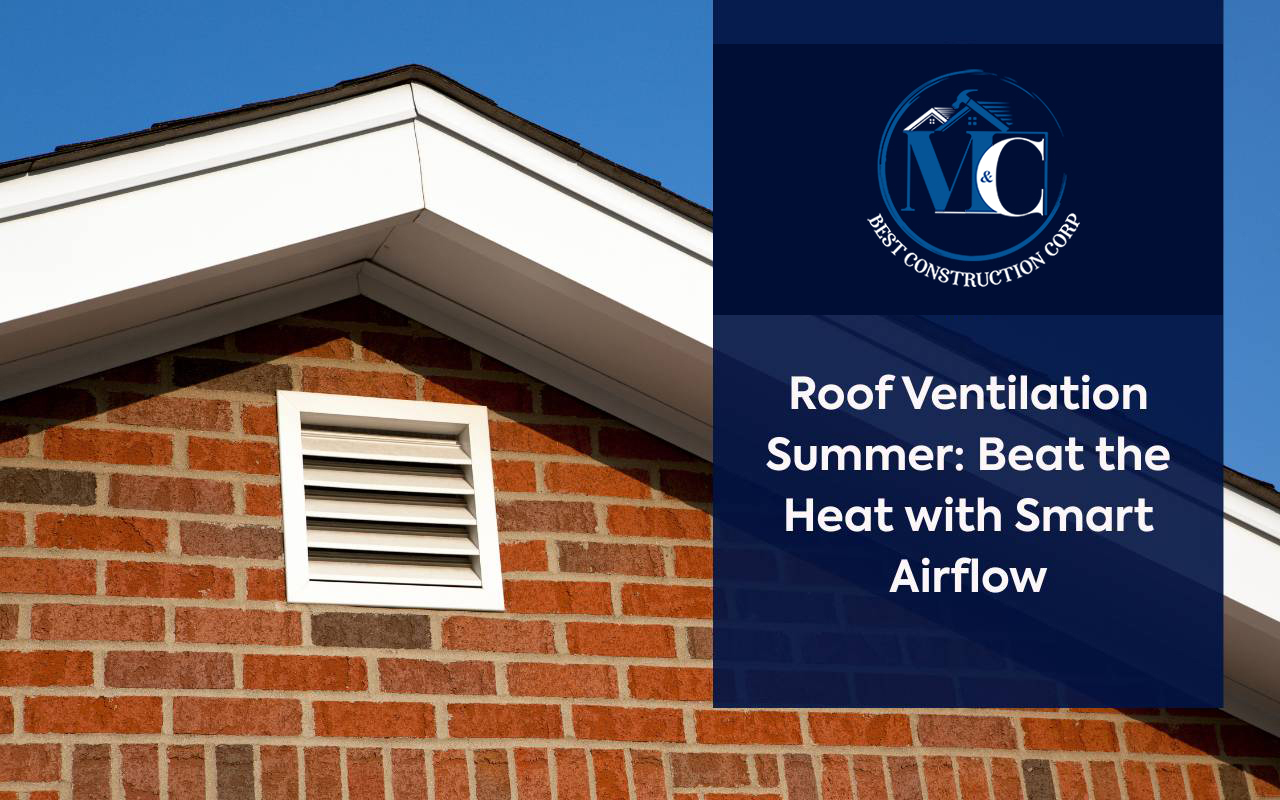
Roof Ventilation Summer: Beat the Heat with Smart Airflow
Roof Ventilation Summer is your key to cooler, more efficient living. Proper airflow releases trapped attic heat, eases AC demand, and protects your roof from moisture buildup. With balanced intake and exhaust, your home stays comfortable while energy costs drop. Smart ventilation solutions make every summer day feel lighter, fresher, and more sustainable indoors.
Why Roof Ventilation Matters in Summer
Step into a cooler home, even on the hottest day. Roof ventilation controls attic heat and humidity. It protects comfort and energy bills. Without airflow, heat builds and radiates downward. Your AC struggles and costs rise. Roof Ventilation Summer helps expel trapped heat. It draws in fresher air. That balance safeguards materials, prevents moisture, and supports indoor air quality.
Signs of Poor Roof Ventilation
Higher summer energy bills and rooms that never feel cool.
AC running constantly while comfort still lags.
Warped shingles, sagging insulation, or rusted metal parts.
Musty odors or visible mold near vents or attic walls.
Discolored insulation and softened or cracked rafters.
Types of Roof Ventilation Systems
Passive options rely on natural movement. Ridge vents release rising hot air. Soffit vents feed intake from below. Together they create steady, quiet airflow. No electricity needed.
Ridge and soffit vents: durable and low maintenance.
Gable vents: useful on certain roof designs.
Powered fans: electric or solar units boost airflow.
Smart controls: sensors trigger ventilation as needed.
Active systems shine in larger or irregular attics. Solar fans move heat during peak sun without utility costs. Electric units add control through thermostats or humidistats.
Calculating Ventilation Requirements
Measure attic floor area. Apply the 1:300 rule. One square foot of net free vent area per 300 square feet of attic. Balance intake and exhaust equally. Keep openings clear of debris and insulation. Roof Ventilation Summer works best when airflow is unobstructed.
Split total vent area 50% intake, 50% exhaust.
Use continuous soffit intake and continuous ridge exhaust.
Adjust for multiple attic zones and high-efficiency insulation.
DIY Tips to Improve Ventilation
Inspect soffit vents with a flashlight. Remove debris, nests, and loose insulation. Replace missing grilles. Clear intake is your first win for Roof Ventilation Summer performance.
Add vents where needed. Consider ridge or gable units to strengthen passive flow. For active airflow, mount a solar attic fan near the peak. Seal edges carefully to prevent leaks.
Seal air leaks around lights, stacks, and hatches. Improve insulation depth. Add radiant barrier foil or reflective coatings to reduce heat gain.
Benefits You Will Notice
Lower attic temperatures reduce AC runtime. Savings build over time and may offset upgrades. Drier attics resist mold and protect insulation. Ventilation also lessens heat stress on shingles and underlayment. Roof Ventilation Summer supports longer roof life and fewer repairs.
Maintenance Guidelines
Check all vent openings each spring and fall. Remove leaves and dirt. Block pests humanely. Confirm powered fans spin freely. Clean housings and tighten connections. Reseal flashing around penetrations. Small fixes today prevent bigger issues tomorrow.
Enhance Overall Energy Efficiency
Pair balanced ventilation with proper insulation. This duo blocks heat transfer and boosts comfort. Consider reflective shingles or cool coatings to cut surface temperatures. Smart thermostats and controllers automate fan operation for precise Roof Ventilation Summer performance.
Professional Solutions and Support
Complex roofs benefit from expert planning. Licensed contractors assess structure, climate, and materials. They recommend vent styles and ideal placement. Energy auditors can locate leaks with infrared tools and guide targeted upgrades.
Explore M&C Construction for trusted local insight. Review our roofing services to match your needs.
Frequently Asked Questions
How many vents do I need for my attic?
Use one square foot of net free vent area per 300 square feet of attic. Split evenly between intake and exhaust for balanced Roof Ventilation Summer airflow.
Are powered attic fans worth it?
Yes, in large or complex attics. Solar or electric fans enhance movement when passive flow is limited. Sensors help automate operation.
Will ventilation lower my cooling bills?
Yes. Cooler attics reduce heat transfer into living spaces. Your AC cycles less, improving comfort and saving money.
Can I install ridge vents on any roof?
Most pitched roofs can use ridge vents. Ensure continuous soffit intake and proper baffles to maintain strong airflow.
How often should I maintain my vents?
Inspect every spring and fall. Clear blockages, check fans, and reseal flashing as needed for reliable Roof Ventilation Summer results.
Create a Cool, Healthy Home This Summer
Start with balanced intake and exhaust, then improve sealing and insulation. For tailored help, contact the experts. Reach out via contact page to plan your Roof Ventilation Summer upgrades today.
