


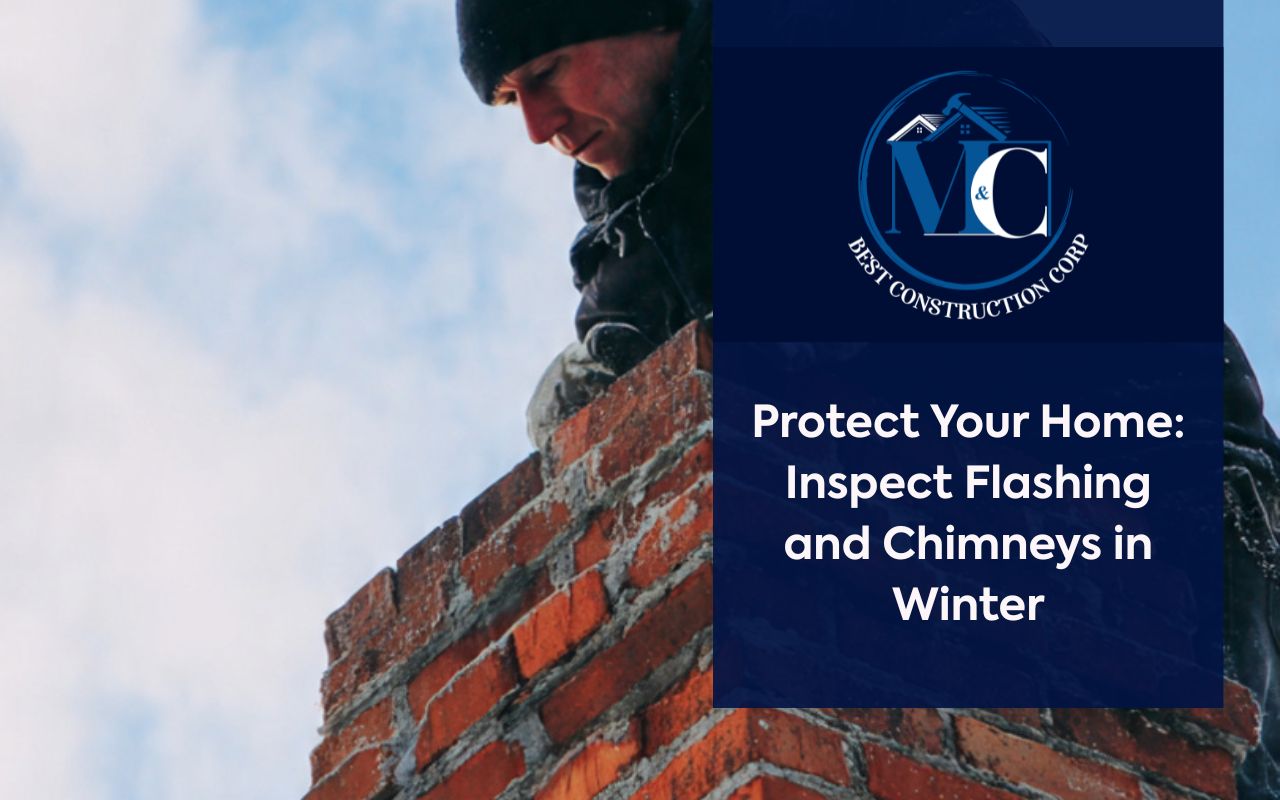
Protect Your Home: Inspect Flashing and Chimneys in Winter
Inspect Flashing and Chimneys in Winter to keep wind, rain, and snow outside. As temperatures drop, flashing and chimneys help protect warmth and comfort. However, damaged chimney flashing or rusted metal can lead to leaks, stains, and higher energy use.
Fortunately, you can spot gaps around vents and pipes or sealant cracking in cold weather without being a contractor. In Nanuet, NY, a quick check now can prevent bigger repairs later.
Understanding the Importance of Inspecting Flashing and Chimneys
Inspect Flashing and Chimneys in Winter because melting snow can slip into tiny openings. Over time, leaks can cause mold, rot, and structural damage. Moreover, a healthy chimney supports efficient heating, which helps control winter energy bills.
Flashing seals roof joints and guides water away. Therefore, if you notice rust or corrosion on metal flashing, address it early before small issues become costly.
Tools Required for Winter Inspection
With the right tools, you can work faster and safer. Additionally, good visibility helps you catch small problems before they spread.
Sturdy ladder with non-slip feet
Warm gloves and safety goggles
Flashlight and an extendable mirror
Exterior-grade silicone and a caulking gun
Soft brush or broom and a small bucket for debris
How to Safely Access the Roof in Winter
Start with boots that have strong tread. Then, set your ladder on solid, level ground. If the roof is slick, a harness and roof hooks add protection.
Clear snow and ice near the ladder base and roof edge
Move slowly and keep three points of contact
Work in short sessions to avoid fatigue and chills
Step-by-Step Guide to Inspecting Chimney Flashing
Inspect Flashing and Chimneys in Winter by checking where the chimney meets the roof. Use a flashlight and mirror to look for gaps, rust, or loose edges. Next, press gently along the flashing to see if it lifts.
Check for damaged chimney flashing at seams and corners
Look for gaps around vents and pipes near nearby roof joints
Note rust or corrosion on metal flashing and take photos
Watch for sealant cracking in cold weather along the caulk line
If you want a deeper review of roof weak points, compare your notes with seasonal risk patterns in storm roof protection tips.
Signs of Damage to Look Out For
Water stains in the attic or on ceilings often point to moisture entry. After a thaw or heavy rain, leaks can show up fast. Also, torn sealant and widening gaps can worsen with freeze-thaw cycles.
Flaky, dull metal suggests rust has been sitting too long. As a result, that area may need attention sooner than you think.
DIY Maintenance Tips for Flashing and Chimneys
Small fixes can help when damage is minor. First, clean away loose debris. Then, apply exterior-grade silicone to seal edges and reduce cracking. Meanwhile, remove leaves and ice so water can flow away.
For light rust, gently sand, wipe clean, and use a rust-inhibiting primer. This helps slow future corrosion.
Strategies for Sealing Gaps and Cracks
Clean the area before sealing. Use a putty knife or wire brush to remove old caulk and rust. Next, let the surface dry so new sealant bonds better.
Choose a flexible, cold-weather sealant. For larger gaps, use a foam backer rod first, and then apply a smooth, continuous bead.
Professional Help: When to Call a Roofing Expert
If you find large sections of loose flashing or heavy corrosion, professional help is safer. Likewise, if water has reached your attic or walls, you need a full assessment. In that case, ask about flashing repair in Nanuet, NY to restore a watertight seal.
To understand what a broader roof service visit may include, review roofing services for repairs and maintenance.
Winter-Proofing Your Home: Beyond Flashing and Chimneys
Inspect Flashing and Chimneys in Winter, and also seal windows and doors to block drafts. Additionally, clear gutters to prevent backups that can harm your roof and foundation. More insulation in the attic can help steady indoor temperatures, too.
Replace worn weatherstripping around doors and windows
Clear gutters and downspouts after leaf fall and before freezes
Spot early moisture issues after storms and quick thaws
If you suspect water is already getting in, compare symptoms with roof rain damage warning signs.
Frequently Asked Questions
How often should I Inspect Flashing and Chimneys in Winter?
Check after big storms, deep freezes, or major thaws. Even a quick visual scan can reveal shifting metal or cracked sealant.
What are the most common winter flashing problems?
Homeowners often see damaged chimney flashing, gaps around vents and pipes, and sealant cracking in cold weather.
Is rust on flashing always a serious issue?
Not always, but rust or corrosion on metal flashing can spread. Therefore, treat it early to avoid weakened protection.
Can I seal small gaps myself?
Yes, for minor openings. Clean the area first, then apply a flexible exterior sealant so it can handle temperature swings.
When should I call a pro instead of doing DIY?
If leaks appear indoors, flashing lifts easily, or damage is widespread, a roofer can diagnose the cause and repair it safely.
Ensuring a Safe and Secure Home This Winter
Inspect Flashing and Chimneys in Winter to reduce leaks, energy loss, and surprise repairs. By spotting issues early, you protect your home’s structure and daily comfort. Whether you handle small sealing jobs or schedule a repair visit, taking action now supports a warmer, drier season.
If you want an expert to confirm what you found, describe your symptoms and photos through M&C Roofing contact support.
