


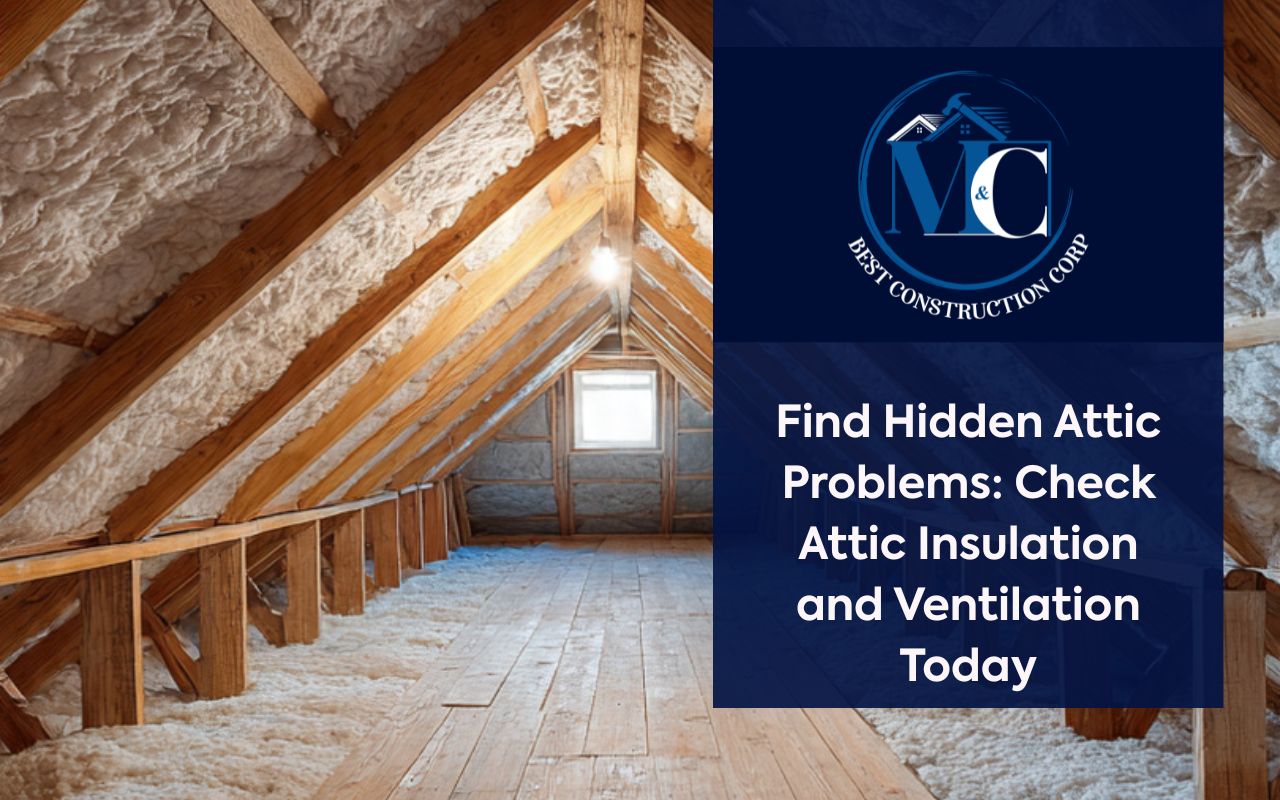
Find Hidden Attic Problems: Check Attic Insulation and Ventilation Today
Check Attic Insulation and Ventilation to spot issues you cannot see from below. However, a quick look can reveal drafts, weak comfort, and wasted energy. In places with tough seasons, small gaps can grow fast. Therefore, it helps to act early and keep your home steady.
Peek into your attic and note what feels “off.” You may notice Cold spots in the attic near the ceiling. You may also see uneven room temperatures upstairs. When you Check Attic Insulation and Ventilation, you can prevent higher bills and avoid bigger repairs later.
Signs Your Attic Insulation Is Weak
Insulation problems often show up as comfort problems. For example, uneven insulation coverage lets heat escape in winter and enter in summer. As a result, your HVAC works harder and longer. Also, insulation that settles can leave gaps that worsen over time.
Rooms that feel colder than others, especially upstairs
Drafts near ceilings or along upper walls
Insulation that looks thin, compressed, or shifted
Moisture Clues You Should Not Ignore
Moisture or frost in attic spaces can mean air is not moving well, or warm air is leaking upward. Consequently, you may face mold, wood rot, or musty odors. Look for damp rafters, dark roof-deck stains, or icy patches during deep cold.
Ventilation Problems That Hurt Your Roof
Ventilation keeps heat and humidity from building up. Without it, insulation can lose performance and moisture can linger. Blocked roof vents are a common cause, so check the intake and exhaust path. Meanwhile, balanced airflow helps protect shingles and framing.
Debris or nests around vents and openings
Paint peeling, rusted fasteners, or warped wood
Shingles aging faster due to trapped heat in summer
Why Regular Attic Checks Matter
Small issues become expensive when they stay hidden. Therefore, plan quick checks after summer heat and winter freezes. Set a reminder to Check Attic Insulation and Ventilation after major storms too. In addition, a simple visual scan can reveal stains, gaps, and blocked airflow.
Energy Efficiency Starts Above You
Good insulation slows heat flow, while ventilation manages moisture that can weaken performance. Together, they stabilize indoor comfort across seasons. If you need an attic insulation upgrade in Nanuet, NY, the goal is steady temperatures and lower strain on your HVAC. Over time, that can support long-term savings.
DIY Attic Check Checklist
Safety comes first, so wear gloves, goggles, and a mask. Before you Check Attic Insulation and Ventilation, bring a flashlight and step only on joists or a solid board. Then, scan for air leaks and insulation gaps. Finally, note any problem areas for follow-up.
Check attic access hatches for air leaks and weak seals
Look for damp spots, stains, or compressed insulation
Clear vent paths and remove debris that blocks airflow
Common Insulation Materials You May See
Fiberglass batts are common and easy to place between joists. Loose-fill cellulose can fill odd spaces and close small gaps. Spray foam can seal cracks and reduce air leaks, although it is often used by pros. Also, the best fit depends on your attic shape and goals.
How Attic Ventilation Usually Works
Soffit vents bring in cooler air, while ridge vents let warmer air escape. As a result, the attic stays closer to outdoor conditions and dries out faster. In some homes, fans add mechanical help when natural flow is weak. Still, balance matters more than raw airflow.
When a Professional Review Helps Most
Some problems are hard to spot with the naked eye. A pro can Check Attic Insulation and Ventilation using tools like infrared imaging and airflow checks. They can also confirm insulation depth, locate air leaks, and flag moisture risks. For next steps, explore our roof and home services.
Fixing Insulation and Ventilation Together
Start by sealing air leaks near hatches, pipes, and duct runs. Next, add insulation where thin areas appear. Then, restore intake and exhaust vent paths to keep moisture moving out. If issues persist, a targeted plan works best. To schedule help, use our contact page, and Check Attic Insulation and Ventilation with a trained eye.
Frequently Asked Questions
How do I know my attic needs attention?
Look for comfort swings upstairs, drafts, or damp smells. Also, scan for stained wood or settled insulation. If signs repeat, a closer check is smart.
What is the fastest DIY step I can take?
First, seal obvious air leaks around the attic hatch. Then, clear debris from vent paths. Finally, mark thin insulation zones for later work.
Can roof care help with attic comfort?
Yes. Roof condition and attic airflow work together. For seasonal roof guidance, read our cold-weather roofing guide.
Where can I learn simple insulation best practices?
Use practical tips that focus on coverage and airflow. For helpful ideas, review our roofing insulation tips.
Should I improve insulation or ventilation first?
It depends on what you find. However, sealing leaks and restoring airflow usually supports both goals. When in doubt, document conditions and get an expert review.
Make Attic Health a Habit
Your attic protects comfort, efficiency, and roof life. Therefore, watch for warning signs and keep airflow paths open. Small checks can prevent big repairs later. Whether you DIY or hire help, keep it consistent, and Check Attic Insulation and Ventilation as part of seasonal home care.
